
The idea that SEO and social media exist in separate silos is one of the more persistent myths in digital marketing.
Whilst it's true that social media links are not counted as direct ranking signals by Google, the relationship between the two channels runs far deeper than a simple link-based analysis reveals.
Understanding how seo and social media can work together is one of the keys to building a more efficient and powerful online presence.
The Indirect SEO Value of Social Media
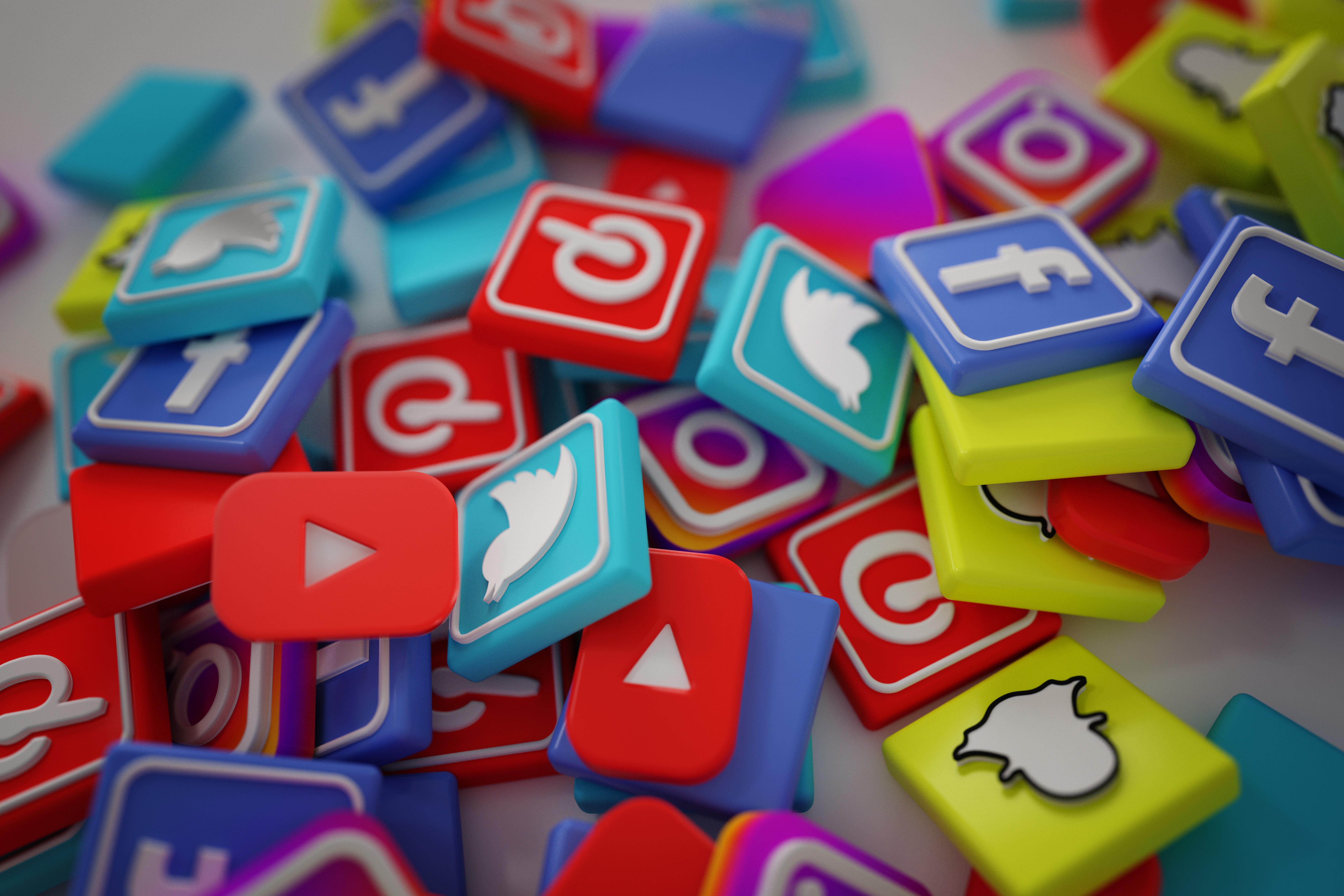
Let's address the direct question first. Google has stated that social signals, meaning likes, shares, and follower counts, are not direct ranking factors. Google's Gary Illyes confirmed this in widely referenced statements, noting that the search engine does not use social signals in its core ranking algorithm.
But this tells only part of the story. Social media influences SEO in a range of indirect but highly meaningful ways, and dismissing the relationship entirely is a significant strategic mistake.
Content Distribution and Backlink Generation
One of the clearest ways SEO and social media work together is through content amplification. When you publish a piece of high-quality content on your website, sharing it across social media channels dramatically increases the number of people who see it.
The more people who see your content, the higher the probability that one of them is a blogger, journalist, or website owner who finds it useful enough to link to from their own site. These earned backlinks are direct ranking signals. Social media is simply the amplification channel that gets your content in front of the right eyeballs.
Research by Hootsuite has noted that content shared frequently on social media tends to attract more external links over time. The causality runs through visibility: social sharing broadens reach, which leads to more organic discovery by people who have the ability to link.
For this reason, even a traditional organic SEO strategy benefits from a coordinated social sharing plan for new content. The two should be planned together, not in isolation.
Social Profiles Rank in Search Results
A very direct intersection between social media and SEO is the fact that social profiles frequently appear in branded search results. When someone searches for your company name, your LinkedIn, Instagram, or X (formerly Twitter) profiles are often visible on the first page of results alongside your website.
This matters for brand reputation management. A strong, active social presence that appears prominently in branded searches reinforces the perception that your business is credible and engaged. Conversely, outdated or inactive profiles can create a poor impression.
From an SEO standpoint, controlling more of the first-page real estate for your brand name reduces the chance that negative content or competitor pages appear in those top positions. Social profiles are part of that defensive strategy.
Social Media as a Search Engine in Its Own Right

The way younger demographics in particular use social platforms has shifted significantly. Platforms like Instagram, TikTok, YouTube, and even Reddit are now used as search engines in their own right. Users are searching for product reviews, how-to content, brand recommendations, and local business information directly within these platforms.
According to a survey reported by Search Engine Land, a significant proportion of Gen Z users prefer searching on TikTok or Instagram over Google for certain types of queries.
This doesn't mean Google is being replaced. But it does mean that your brand's discoverability on social platforms is increasingly part of what "being found online" means. Social content that is optimised with relevant terms, well-structured captions, and appropriate hashtags functions similarly to on-page SEO in a social search context.
Driving Branded Search Volume
Branded search volume, meaning how often users type your company name directly into Google, is one of the signals that Google uses to assess brand authority. A higher volume of branded searches suggests to the algorithm that your brand is well-known and trusted.
Active social media presence contributes to branded search volume by keeping your brand in front of audiences who haven't yet visited your website. A user who follows you on Instagram may search your brand name on Google the first time they're ready to buy. Without that social touchpoint, the search might never happen.
This is a meaningful, if indirect, contribution to SEO performance. Brand awareness built through social media translates over time into the kind of navigational search behaviour that signals authority to Google.
Shared Content Strategy: The Biggest Opportunity
Perhaps the most impactful way seo and social media can work together is through a unified content strategy. Rather than creating separate content streams for each channel, the most efficient approach is to develop cornerstone content designed to perform in organic search, and then adapt and distribute it across social platforms.
A long-form article targeting a competitive keyword can become a LinkedIn carousel that summarises the key points. A data study designed to earn backlinks can be broken into social graphics. A how-to guide can be repurposed as a series of short-form video clips.
This approach means your SEO copywriting investment works harder by serving multiple channels simultaneously. It also creates consistency in messaging across every touchpoint where potential customers encounter your brand.
Social Listening and Keyword Discovery
Social media is also a surprisingly powerful source of keyword intelligence. The language people use when discussing your industry in forums, comment sections, Twitter threads, and Facebook groups often reveals the natural language behind search queries.
Monitoring conversations in your niche on social platforms can uncover questions and pain points that don't surface in traditional keyword research tools. These insights can then inform new content topics, help refine how you phrase product descriptions, and identify the specific vocabulary your audience uses when they're ready to buy.
For businesses in consumer-facing industries, combining keyword research tools with social listening often produces a more complete picture of search demand than either approach alone.
Reddit's Growing SEO Relevance
Reddit deserves specific mention in any discussion of how SEO and social media connect. Following algorithm updates from Google in 2023 and 2024, Reddit content began appearing far more frequently in organic search results, particularly for review and recommendation queries.
For brands, this means that threads discussing your products, services, or competitors are now surfacing in Google results. Understanding what's being said and how your brand appears in these discussions is increasingly part of a complete search strategy.
Knowing how to navigate Reddit effectively is a genuine skill set, and it's worth understanding the common mistakes brands make when using Reddit for SEO before attempting to engage.
Integrating the Two Channels in Practice
In practice, making seo and social media work together means establishing a publishing calendar that treats both channels as connected. It means setting up UTM parameters to track social referral traffic in Google Analytics.
It means ensuring that social profiles are complete, consistent, and linking back to the correct pages on your website. And it means measuring the downstream SEO impact of social activity over time, rather than evaluating each channel in complete isolation.

Businesses that align these two channels tend to see compounding returns because each reinforces the other. Social drives content discovery, which generates links, which improves rankings, which drives more organic traffic, which gives you more content to share socially.
To build an integrated strategy that connects these channels with clear commercial goals,get in touch with Notorio and find out how a coordinated approach could work for your business.
Want help turning insights like this into enquiries?
A free audit covering your search rankings, technical health, and whether AI tools currently know your clinic exists.