
The way people interact with search results has changed significantly. For a growing share of queries, users find the answer they need directly on the search results page and never visit any website at all. This is the zero click reality, and it's reshaping how smart brands think about content.
A zero click content strategy doesn't mean abandoning your hope of website traffic. It means deliberately creating content that performs well in this new environment, while finding ways to capture value even when users don't click through.
What Is Zero Click Content?

Zero click content refers to content that is designed to appear in search features that deliver answers without requiring the user to leave the search engine results page (SERP). Featured snippets, People Also Ask boxes, knowledge panels, and Google's AI Overviews are all examples of where zero click content lands.
Research by SparkToro found that around two-thirds of Google searches in recent years ended without a single click on an organic result. While this figure has fluctuated and varies by industry, the general trend is clear: search engines are increasingly answering questions in-SERP.
For content creators and SEO teams, this creates a tension. If users get the answer without clicking, what's the point of creating the content in the first place?
Why Zero Click Content Still Creates Value
The answer is more nuanced than it first appears. Even when someone doesn't click, your brand appearing in a featured snippet or People Also Ask box delivers something valuable: visibility and authority.
When your business name is repeatedly visible in search results as the source of accurate, helpful answers, it builds recognition. Users may not click today, but they remember who gave them the right answer. When they later face a more complex problem that requires a real solution, they're more likely to seek out the brand they already associate with expertise.
According to research by Rand Fishkin of SparkToro, zero click searches are particularly dominant for informational queries, but navigational and commercial queries still generate significant click-through rates. This means a well-designed zero click content strategy doesn't abandon click-through. It prioritises zero click formats for awareness-stage queries while protecting and amplifying click-through on commercial intent queries.
The Building Blocks of a Zero Click Content Strategy

Building a zero click content strategy requires understanding the different SERP features your content can target, and then optimising deliberately for each one.
Featured snippets are the boxed answers that appear at the top of the organic results. They typically answer a specific question in a concise paragraph, list, or table format. To target these, structure your content to answer a precise question early in the article, using a clear heading that mirrors the question phrasing.
People Also Ask (PAA) boxes expand to show answers for related queries. Appearing in these boxes repeatedly for queries in your topic area creates a compounding visibility effect. Comprehensive content that addresses a cluster of related questions in one piece increases your chances of appearing in multiple PAA results.
Knowledge panels are populated by structured data and information from authoritative sources. For businesses, this means keeping your Google Business Profile accurate and ensuring your on-site structured data is correctly implemented. This is closely linked to technical SEO, where schema markup plays a central role.
AI Overviews are Google's newest and fastest-growing zero click format. These AI-generated summaries at the top of the results page draw on content from multiple sources. Appearing as a cited source within an AI Overview requires content that is comprehensive, well-structured, clearly attributed to a credible author or entity, and demonstrably authoritative.
How to Structure Content for Zero Click Success
The practical implications for content creation are significant. Zero click content needs to be structured differently to content that's purely optimised for traditional click-through traffic.
Start with the answer. For any informational query your content targets, state the answer clearly and concisely within the first two paragraphs. Search engines extract these summaries directly, so burying the answer deep in the text reduces your chances of being featured.
Use structured formats generously. Numbered lists, bullet points, comparison tables, and clear subheadings all make it easier for search engines to extract and display your content in SERP features. This is not about dumbing down your content. It's about making your expertise accessible in multiple formats.
Answer related questions within the same piece. A single long-form article that addresses a core topic and then addresses five or ten related questions within the same URL gives search engines a rich source to draw from across multiple PAA results.
This approach aligns naturally with a pillar content model, where a comprehensive page covers a broad topic and links out to more specific supporting pages. The pillar page itself becomes a strong candidate for zero click features due to its depth and authority.
Zero Click Content and Your SEO Copywriting
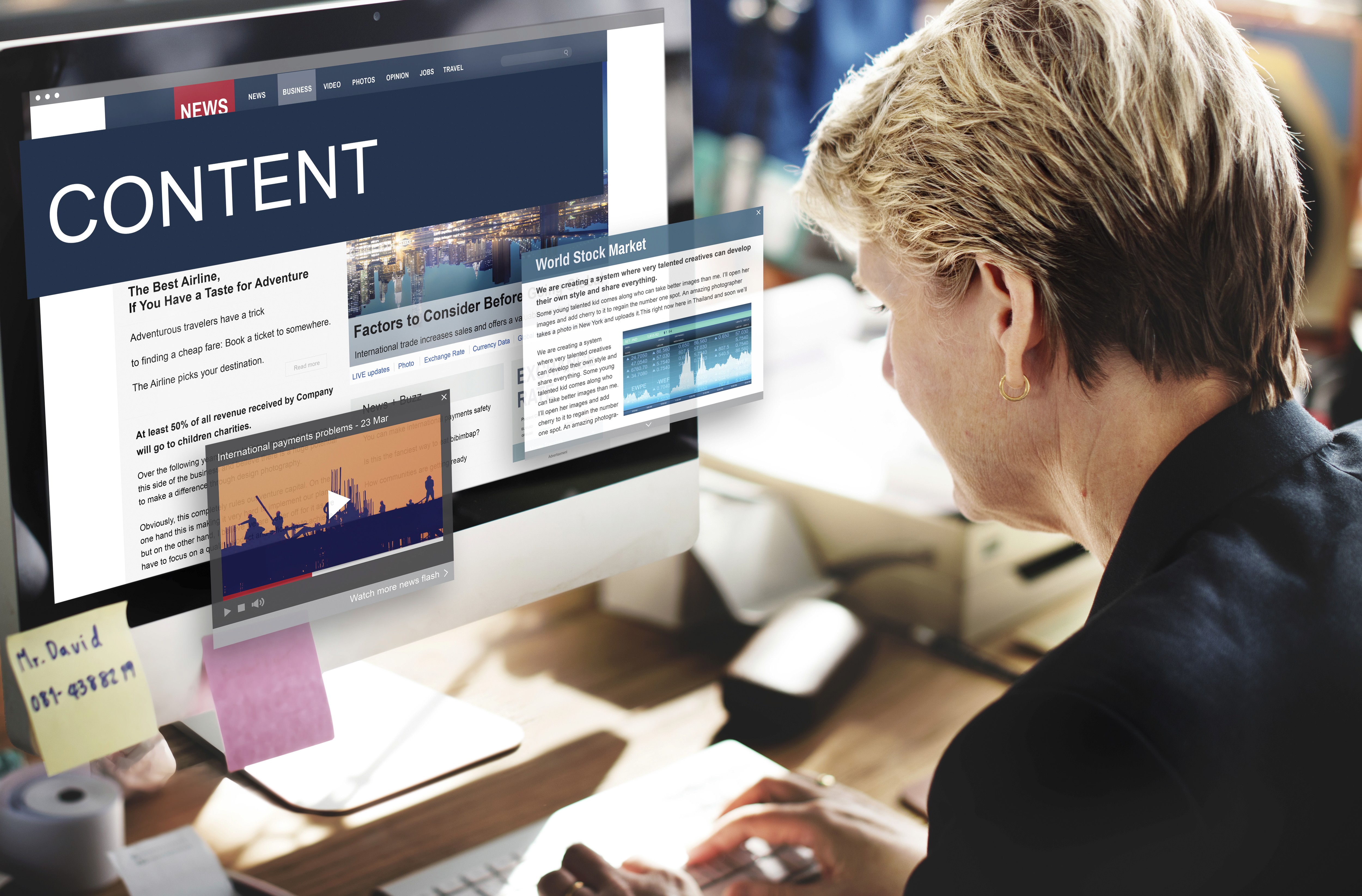
The shift toward zero click content has practical implications for how your copywriting is approached. SEO copywriting in a zero click environment places greater emphasis on clear question-and-answer structures, concise definitions, and contextual authority signals.
Writers need to think about what a user at the top of the funnel is genuinely trying to understand, and then address that question as directly as possible. At the same time, they need to embed enough additional value and depth that the page continues to serve users who want more than the snippet provides.
The two goals are not contradictory. The snippet earns the visibility. The depth of the page earns the trust that eventually converts.
Balancing Zero Click and Traffic Goals
Zero click content strategy doesn't mean giving up on traffic. It means being strategic about which queries you optimise for zero click features and which you optimise for clicks.
For transactional queries, click-through is almost always the primary goal. A user searching for "buy X service in London" is actively looking to engage, and your content should be designed to attract that click and convert it.
For informational queries, zero click visibility builds brand awareness, earns citation in AI Overviews, and creates brand familiarity that converts later in the journey. The value is real, even if it doesn't show up immediately in analytics dashboards.
One way to assess the effectiveness of your zero click strategy is to track branded search volume over time. As your brand becomes more visible in SERP features, branded searches typically increase, reflecting growing awareness.
Integrating Zero Click Strategy Into Your Broader Content Plan
A zero click content strategy works best when it's integrated into a holistic SEO content plan rather than treated as a standalone tactic. This means understanding your audience's entire journey from first awareness through to purchase, mapping content types to each stage, and then identifying which queries at each stage are most likely to surface in zero click formats.
For businesses that want to start building content designed for the modern SERP, exploring SEO content services that understand how featured snippets and AI Overviews work is an increasingly important step.

Zero click content reflects a broader truth about search: providing genuine value is always the foundation. Whether that value is delivered on the SERP itself or on your website, the brands that are most consistently helpful are the ones that build the most authority.
To discuss how a zero click content approach could work as part of your search strategy,get in touch with Notorio today.
Want help turning insights like this into enquiries?
A free audit covering your search rankings, technical health, and whether AI tools currently know your clinic exists.